Mold on Siding Removal Done Right
Mold on siding removal takes the right method. Learn what causes exterior growth, how to clean it safely, and when professional house washing is the best solution.
SOFT WASHING
Damon Joao
7/5/20265 min read
Mold on Siding Removal Done Right
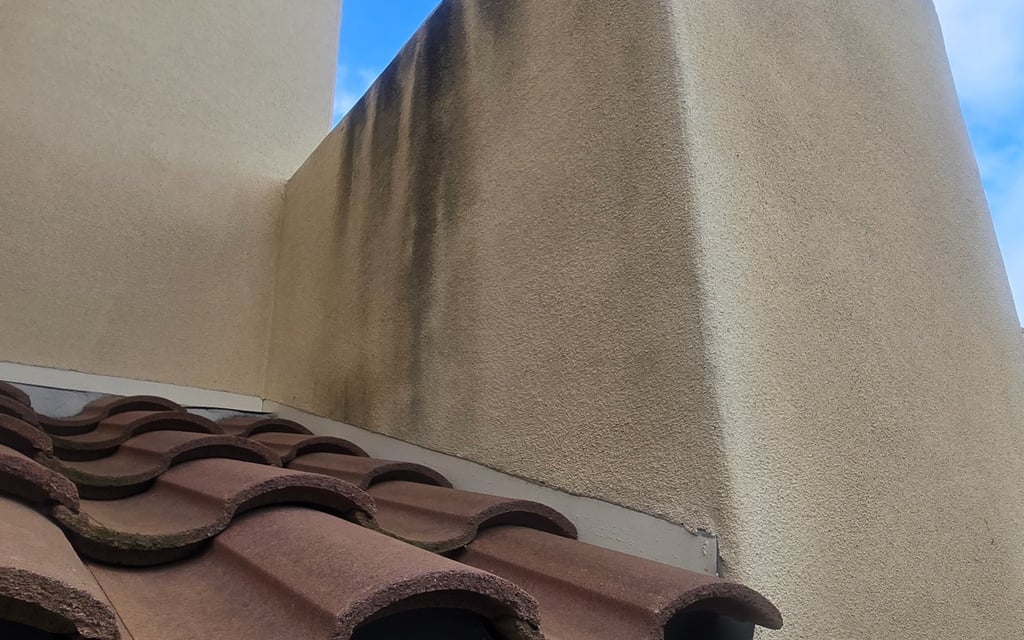
That green-black film creeping up the shaded side of the house usually does not stay cosmetic for long. Mold on siding removal is one of those jobs homeowners tend to put off until the staining spreads, the house looks weathered, and basic rinsing no longer touches it. The good news is that most siding can be cleaned safely. The catch is that the right method depends on the siding material, the level of growth, and how close the surface is to windows, landscaping, and painted trim.
In North County San Diego, exterior surfaces deal with a mix of coastal moisture, shade, irrigation overspray, and dust. That combination creates ideal conditions for organic buildup. On siding, mold often appears alongside mildew, algae, and general grime, so the problem is not always just one thing. If the cleaning approach is too aggressive, you can end up with etched surfaces, damaged paint, or water forced behind the siding. If it is too mild, the stains come back quickly.
Why mold grows on siding in the first place
Mold needs moisture and a food source. On a home exterior, that food source can be as simple as airborne dirt, pollen, or organic debris that settles on the wall. Add morning shade, poor airflow, or sprinklers hitting the same area every day, and growth starts to take hold.
North-facing walls tend to show it first because they stay cooler and damp longer. Areas under rooflines, behind bushes, and near clogged gutters are common trouble spots too. In some cases, what looks like mold is actually algae or mildew staining. The distinction matters less to a homeowner than the solution does, but it helps explain why a patch may return if the underlying moisture problem is not addressed.
Mold on siding removal is not one-size-fits-all
This is where many people run into trouble. Siding may look tough from the curb, but not every surface handles cleaning the same way. Vinyl siding is different from painted wood. Fiber cement behaves differently than older composite panels. Even within the same house, trim, caulking, and window seals can change how a wall should be washed.
High pressure is the mistake most often responsible for damage. It can strip oxidation from vinyl in uneven patterns, scar painted surfaces, and push water into seams. That does not mean pressure washing never has a place. It means the pressure has to match the material, and in many cases a soft wash approach is the safer option. Soft washing uses low pressure and cleaning solutions designed to break down mold and organic staining instead of trying to blast it off.
How to tell if you can clean it yourself
If the affected area is small, the siding is in good condition, and you can reach it safely from the ground, a do-it-yourself cleaning may be reasonable. Light growth on newer vinyl or fiber cement often responds well to a siding-safe cleaner, a garden hose, and a soft brush or low-pressure application.
The job becomes less simple when the growth is widespread, second-story access is involved, or the siding already has weak spots. Cracked panels, failing caulk, peeling paint, and older wood surfaces all raise the risk. If you are seeing heavy black staining, runoff streaks beneath gutters, or recurring patches in multiple shaded areas, the issue usually needs more than a quick scrub.
A safe approach to mold on siding removal
Start by inspecting the siding in daylight. Look for the heaviest staining, but also check for loose sections, open seams, damaged caulk, and nearby electrical fixtures. Cover delicate plants if you are using any cleaning solution, and wet down surrounding landscaping first.
Apply a cleaner made for exterior siding and organic growth. Avoid mixing random household chemicals. Bleach-heavy mixes are common in exterior cleaning, but concentration matters, and stronger is not always better. On some surfaces, too much chemical can affect paint, dry out nearby plants, or leave uneven results if not rinsed properly.
Let the cleaner dwell long enough to work without drying on the surface. Then rinse with controlled water pressure, keeping the spray angle directed downward rather than up under the laps or seams. If needed, lightly agitate stubborn spots with a soft-bristle brush. The goal is to kill and remove the growth while protecting the siding itself.
If you have to lean a ladder on the siding, reach over windows, or work around second-story rooflines, the risk changes quickly. That is often the point where professional service makes more sense than saving a little time or money upfront.
When professional washing is the better call
There is a difference between getting siding wet and actually cleaning it well. Professional exterior cleaning is useful when the mold is extensive, when the home has multiple siding types, or when appearance really matters because you are maintaining property value or preparing to sell.
A trained crew can match the cleaning method to the surface instead of relying on maximum pressure. That matters on homes with painted trim, stucco transitions, older sealants, and delicate landscaping close to the walls. It also matters for commercial buildings, where a patchy cleaning job is easy to spot from the parking lot.
For many homes, soft washing is the right answer because it treats the mold at the root and reduces the chance of surface damage. That is especially important when the staining is biological, not just surface dirt. A proper wash should improve curb appeal right away, but it should also leave the siding cleaner for longer than a quick rinse ever would.
Common mistakes that cause more problems
The biggest one is using too much pressure. Siding may survive it, but surviving is not the same as staying in good condition. Water can get forced behind panels, paint can lift, and oxidation can become more visible.
Another mistake is cleaning only the worst spots. That often leaves the wall uneven, with bright sections surrounded by dull or lightly stained areas. Treating the whole affected elevation usually gives a cleaner, more consistent result.
Homeowners also underestimate how often moisture is part of the issue. If sprinklers keep hitting the same wall, if downspouts overflow, or if shrubs are packed tightly against the siding, mold will likely return no matter how well it was cleaned. Removal solves the visible problem. Prevention helps keep it from becoming a frequent expense.
How to keep mold from coming back fast
You cannot eliminate every cause of exterior growth, but you can reduce the conditions that help it spread. Trim back plants to improve airflow. Adjust irrigation so it is not soaking the siding. Keep gutters clear so runoff does not wash down the wall. If one side of the house stays shaded and damp, plan on more regular exterior cleaning before the buildup gets heavy.
Routine washing is easier on the surface than waiting until the growth is severe. It is also usually less expensive and more predictable. For homes in coastal or shaded areas, that maintenance schedule can make a noticeable difference in how the property looks year-round.
What homeowners in North County should keep in mind
Local conditions matter. Salt air near the coast, marine layer moisture, inland dust, and warm weather all play a role in how fast siding gets dirty. Homes in Carlsbad and Encinitas may deal with more lingering moisture, while homes farther inland may collect more dust that feeds organic buildup once sprinklers and shade enter the picture.
That is why a cookie-cutter cleaning method does not always hold up. A house in San Marcos with vinyl siding and full sun has different needs than a shaded property in Vista with painted exterior surfaces and mature landscaping. A good cleaning plan looks at the whole setting, not just the stain.
For property owners who want dependable results without guessing, companies like Clarity Pro Wash focus on surface-appropriate exterior cleaning that improves curb appeal while protecting the material underneath. That balance matters more than ever when the goal is not just to remove mold, but to keep your home or storefront looking cared for.
If you are staring at siding that looks darker every month, the best move is usually to address it early, before staining gets deeper and cleaning gets riskier. Clean siding does more than brighten the exterior. It shows that the property is being maintained with care, and that is something people notice right away.