How to Remove Black Roof Streaks Safely
Learn how to safely remove black roof streaks with soft washing, proper preparation, and roof-safe cleaning methods. Eliminate algae stains, protect your shingles, extend roof life, and restore your home's curb appeal without causing damage.
ROOF CLEANING
Damon Joao
6/25/20265 min read
How to Remove Black Roof Streaks Safely
Those dark lines on a roof usually show up long before most homeowners expect them. If you are wondering how to remove black roof streaks, the first thing to know is that they are usually not just dirt. In many cases, they are caused by algae growth feeding on roofing materials, and the wrong cleaning method can do more harm than the streaks themselves.
In North County San Diego, roofs take a steady beating from sun, coastal moisture, dust, and organic debris. That mix creates a perfect setup for staining, especially on asphalt shingles and some tile roofs. A roof may still be structurally sound, but those black streaks can make the whole property look older and poorly maintained.
What black roof streaks really are
Most black roof streaks are caused by a type of airborne algae called Gloeocapsa magma. It spreads from roof to roof, settles on damp areas, and gradually forms dark staining. You often see it on north-facing slopes or sections shaded by trees, but it can appear anywhere conditions stay warm and humid enough for growth.
The streaks do more than affect curb appeal. Algae can trap moisture, and over time that can contribute to wear on roofing materials. On shingle roofs, it may also make the roof hold heat differently. The visual problem is obvious, but the maintenance issue behind it is what matters most.
How to remove black roof streaks without damaging the roof
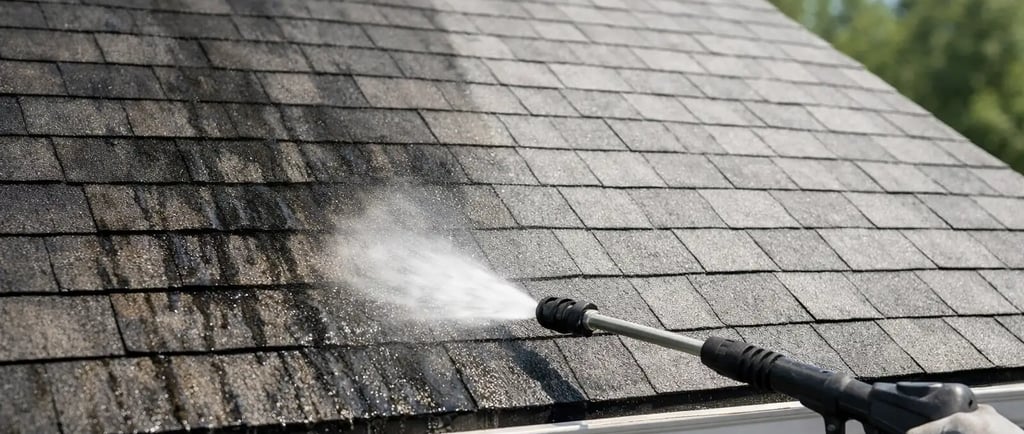
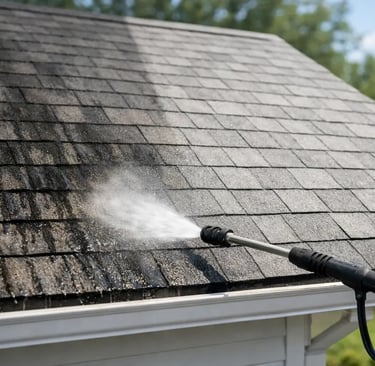
The safest answer for how to remove black roof streaks is usually soft washing, not high-pressure cleaning. Soft washing uses low-pressure application and roof-safe cleaning solutions to kill algae at the root and lift the staining without blasting the surface.
That distinction matters. Pressure washing a roof, especially an asphalt shingle roof, can strip protective granules, shorten the life of the roof, and force water where it does not belong. Even on tile roofs, too much pressure can crack tiles, dislodge components, or damage underlayment if the work is done carelessly.
A proper roof cleaning approach is less about brute force and more about using the right chemistry, the right dwell time, and the right rinse method. When done correctly, the black streaks fade away and the roof is left clean without unnecessary wear.
Why DIY roof cleaning can go sideways fast
A lot of homeowners start with a ladder, a garden sprayer, and a plan to save money. Sometimes that works on a small patch of light staining. More often, the job becomes risky or incomplete.
The first issue is safety. Roof surfaces can be slippery even in dry weather, and algae makes that worse. A low-slope roof can still be dangerous, and tile roofs are especially unforgiving because they can crack under foot traffic.
The second issue is product choice. Some store-bought cleaners are too weak to fully treat the algae, while others are too harsh for surrounding landscaping or exterior finishes if they are not handled carefully. Bleach-heavy mixes can be effective when used correctly, but overspray, runoff, and poor dilution create avoidable problems.
The third issue is false results. A roof may look cleaner immediately after rinsing, but if the algae is not properly treated, the staining often returns sooner than expected. Surface improvement is not the same as full removal.
The basic process professionals use
When roof cleaning is handled professionally, the process is straightforward but intentional. First comes an inspection of the roof type, slope, condition, and severity of staining. That helps determine the safest cleaning method and whether there are any cracked tiles, loose shingles, or drainage concerns to work around.
Next, nearby plants and surrounding areas are protected. This step is easy to overlook, but it matters. Roof cleaning solutions need to be managed carefully so landscaping, painted surfaces, and outdoor furniture are not affected.
Then the cleaning solution is applied with low pressure. It is allowed to dwell long enough to break down algae and organic buildup. On some roofs, a light rinse follows. On others, the solution does most of the work over time and natural weathering helps complete the cleanup over the next few weeks.
That part surprises people. Not every roof looks perfect the second the application is finished. Heavier staining may continue to brighten after treatment. A trustworthy contractor will explain what to expect instead of overpromising instant results.
Roof type changes the answer
There is no one-size-fits-all method for how to remove black roof streaks because different roofing materials respond differently.
Asphalt shingle roofs
Asphalt shingles should almost never be pressure washed. The safer route is a soft wash process designed to remove algae while protecting the granules that help the roof perform. If those granules are stripped away, the roof can age much faster.
Tile roofs
Tile roofs are common in Southern California, and they require a careful approach. Concrete and clay tiles can hold algae, dirt, and lichen in a way that makes staining look deeply set. Soft washing is often the right starting point, but the condition of the tile and underlayment always matters. Walking a tile roof improperly can cause costly breakage.
Metal roofs
Metal roofs can usually handle cleaning well, but harsh tools or abrasive methods can damage finishes and coatings. Black streaks may come off more easily than on shingles, but the wrong cleaner can still cause problems.
When black streaks point to a bigger issue
Sometimes roof staining is mostly cosmetic. Sometimes it is a sign that the roof is staying damp too long. If you keep seeing fast regrowth, it may be worth looking at nearby tree cover, clogged gutters, poor drainage, or areas of the roof that do not get enough sun.
Overhanging branches can drop debris and hold moisture on the roof surface. Clogged gutters can cause water to back up at the edge of the roof. Valleys that collect debris can also create ideal conditions for algae and mildew. Cleaning the roof without addressing those contributing factors can shorten the life of the results.
How often should a roof be cleaned?
It depends on the roof material, the surrounding environment, and how visible the staining has become. Some homes can go several years between cleanings. Others, especially those near trees or in areas with more moisture, may need attention sooner.
For many property owners, the better question is not how often to clean, but when to act. If black streaks are spreading across visible roof lines, it is usually smarter to deal with them early. Lighter growth is easier to treat than heavy buildup, and early cleaning helps preserve the appearance of the whole home.
What homeowners should look for in a roof cleaning service
If you hire a professional, ask how they plan to clean your specific roof type. That one question tells you a lot. A qualified company should be able to explain the method clearly, talk through surface protection, and set realistic expectations for the result.
You also want a company that understands the difference between pressure washing and soft washing, and when each one is appropriate. Roofs are not driveways. The safest process is usually the one that respects the material instead of attacking it.
For homes and commercial properties in North County San Diego, this is especially important because many exterior surfaces are high-value and sun-exposed. A rushed or overly aggressive cleaning method can create more expense than the original staining ever did.
A practical way to think about roof streak removal
If the roof is steep, fragile, heavily stained, or made of shingles or tile, professional cleaning is usually the better call. If the staining is minor and the roof is safely accessible, some homeowners may try a small-scale treatment, but they should still avoid high pressure and be careful with runoff and footing.
The goal is not just to make the roof look better for a week. The goal is to remove the organic growth in a way that protects the roof, improves curb appeal, and helps you avoid preventable damage. That is why soft wash roof cleaning has become the preferred method for so many property owners.
At Clarity Pro Wash, that same approach matters across every exterior surface - using the right method for the material, not just the fastest one. When a roof is cleaned correctly, the difference is visible from the street, but the real value is knowing the surface was treated with care.
A clean roof should not come at the cost of a shorter roof life. If those black streaks are starting to spread, taking care of them now is usually the safer and less expensive move.